DEZAWA MUSE Cell Therapy
A New Frontier in Regenerative Medicine
Our DEZAWA MUSE offering includes DEZAWA MUSE Cells and DEZAWA MUSE Exosomes — two distinct product categories being explored in regenerative medicine.
Muse cells are living cells studied for their unique ability to respond to cellular stress and their potential role in tissue repair and regeneration. Preclinical research has reported an encouraging tumor-formation safety profile, distinguishing Muse cells from certain other pluripotent cell types.
DEZAWA MUSE Exosomes are a cell-free product being investigated for their role in cellular communication and their potential applications in regenerative medicine.
Discover the science behind both technologies, their potential benefits, and what current research tells us about their safety.
The Discovery of Muse Cells
Muse cells (Multilineage-differentiating Stress-Enduring cells) were discovered by Professor Mari Dezawa, MD, PhD, and her research team at Tohoku University in Japan.
Published in 2010, this research introduced a naturally occurring population of cells with distinctive stress-enduring properties and the ability to differentiate into multiple cell types.
Today, Muse cells continue to be investigated for their potential role in tissue repair and regenerative medicine.
What Are Muse Cells?
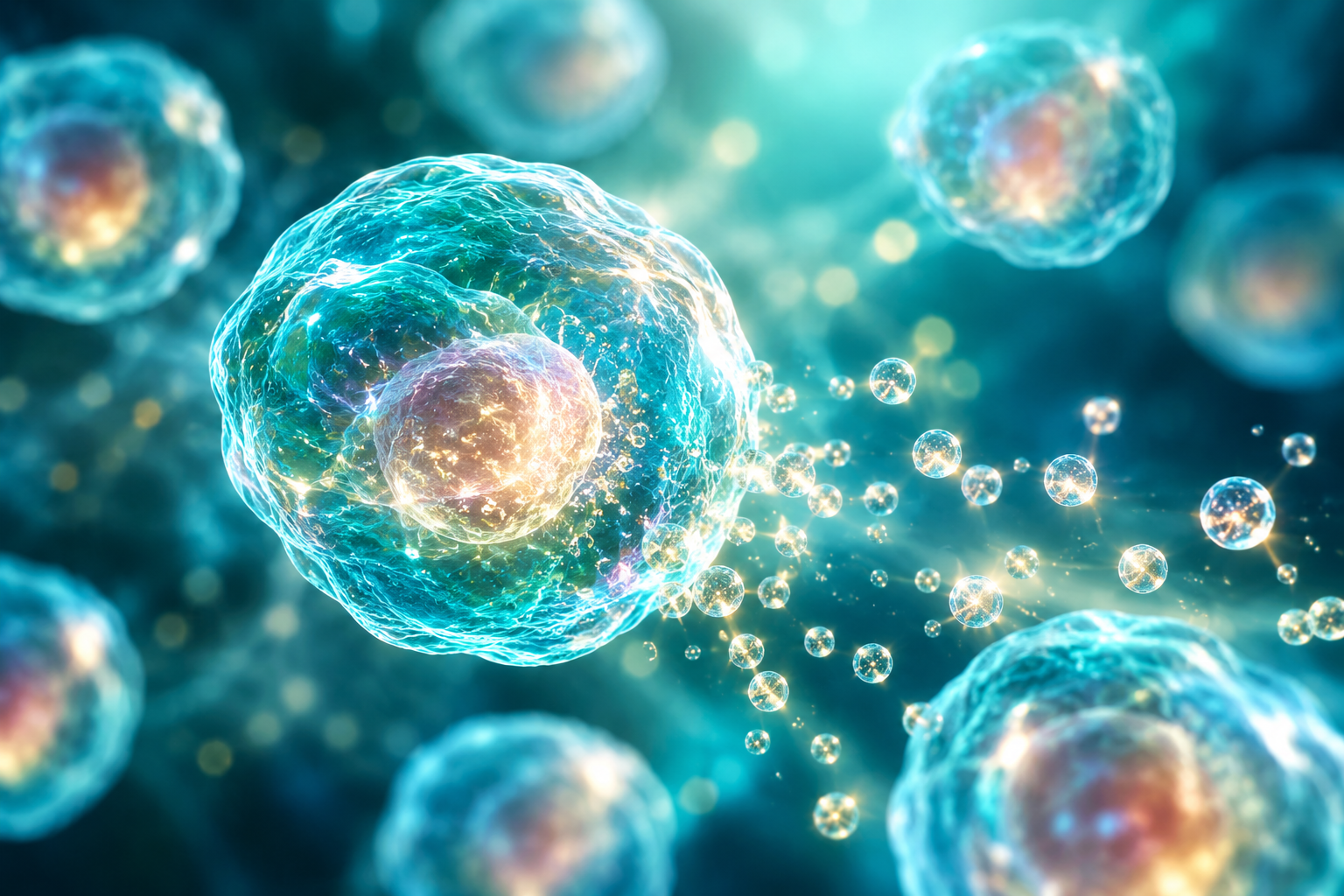
Muse cells, short for Multilineage-differentiating Stress-Enduring cells, are a naturally occurring population of stem cells found in adult tissues and connective tissue.
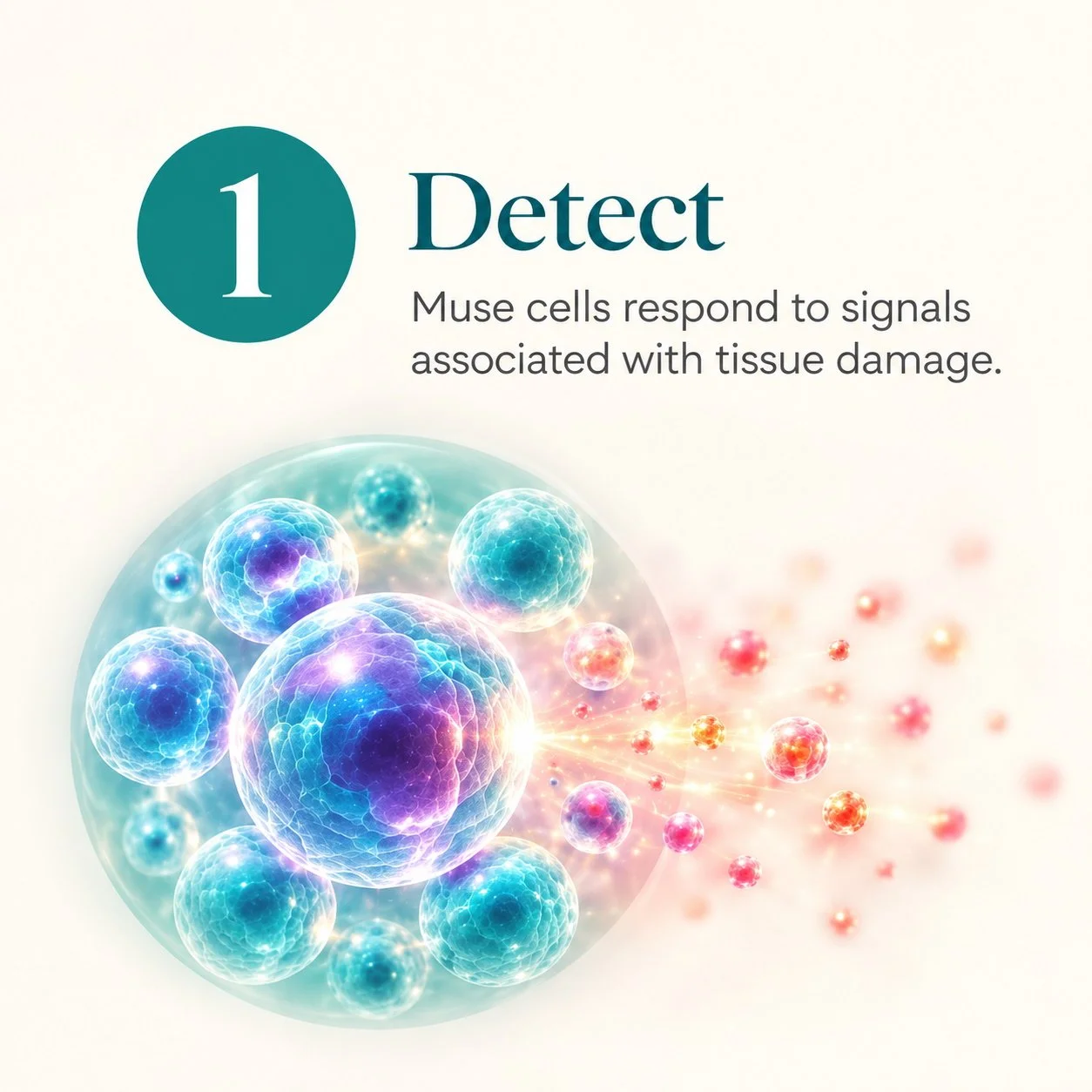
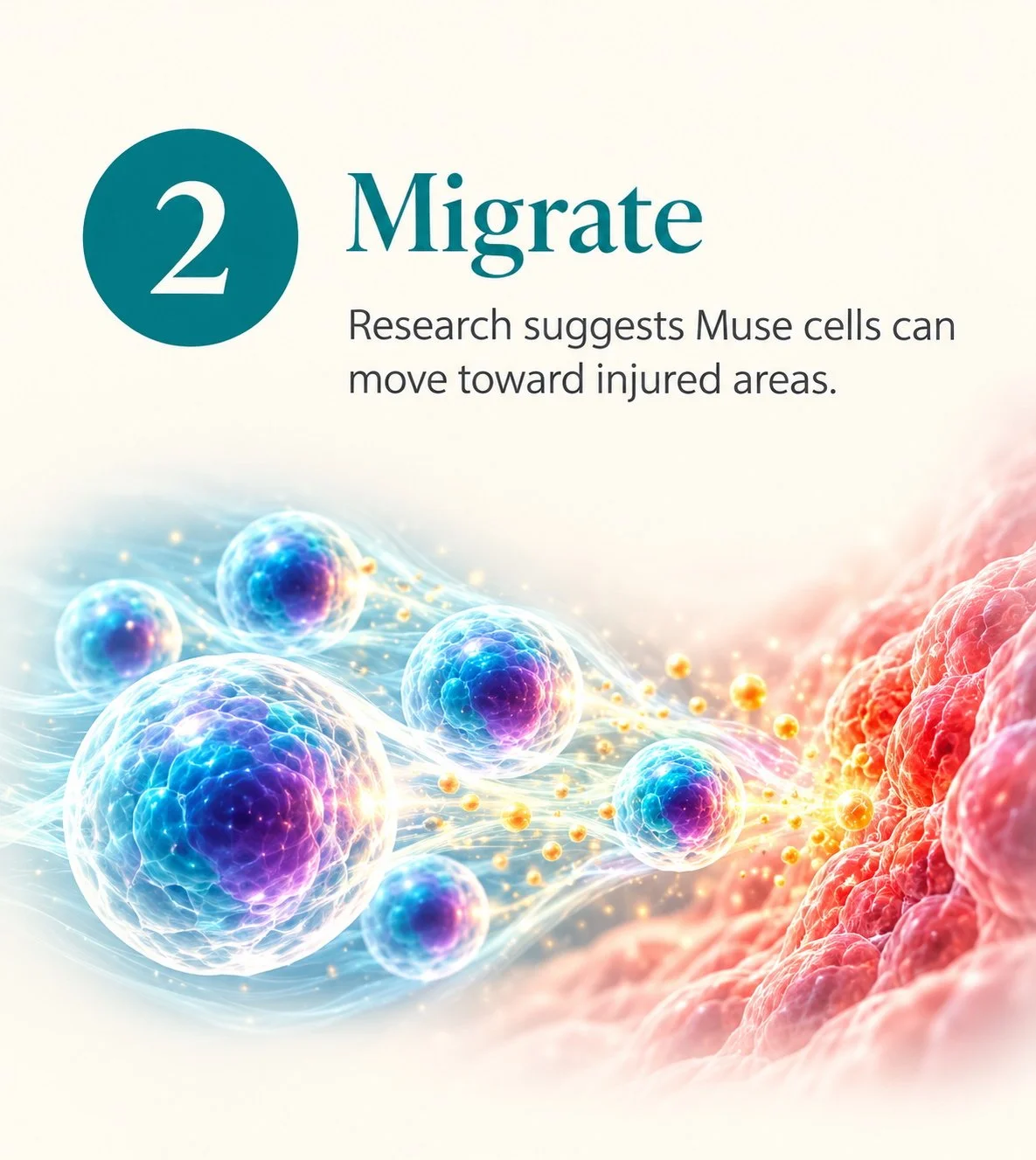
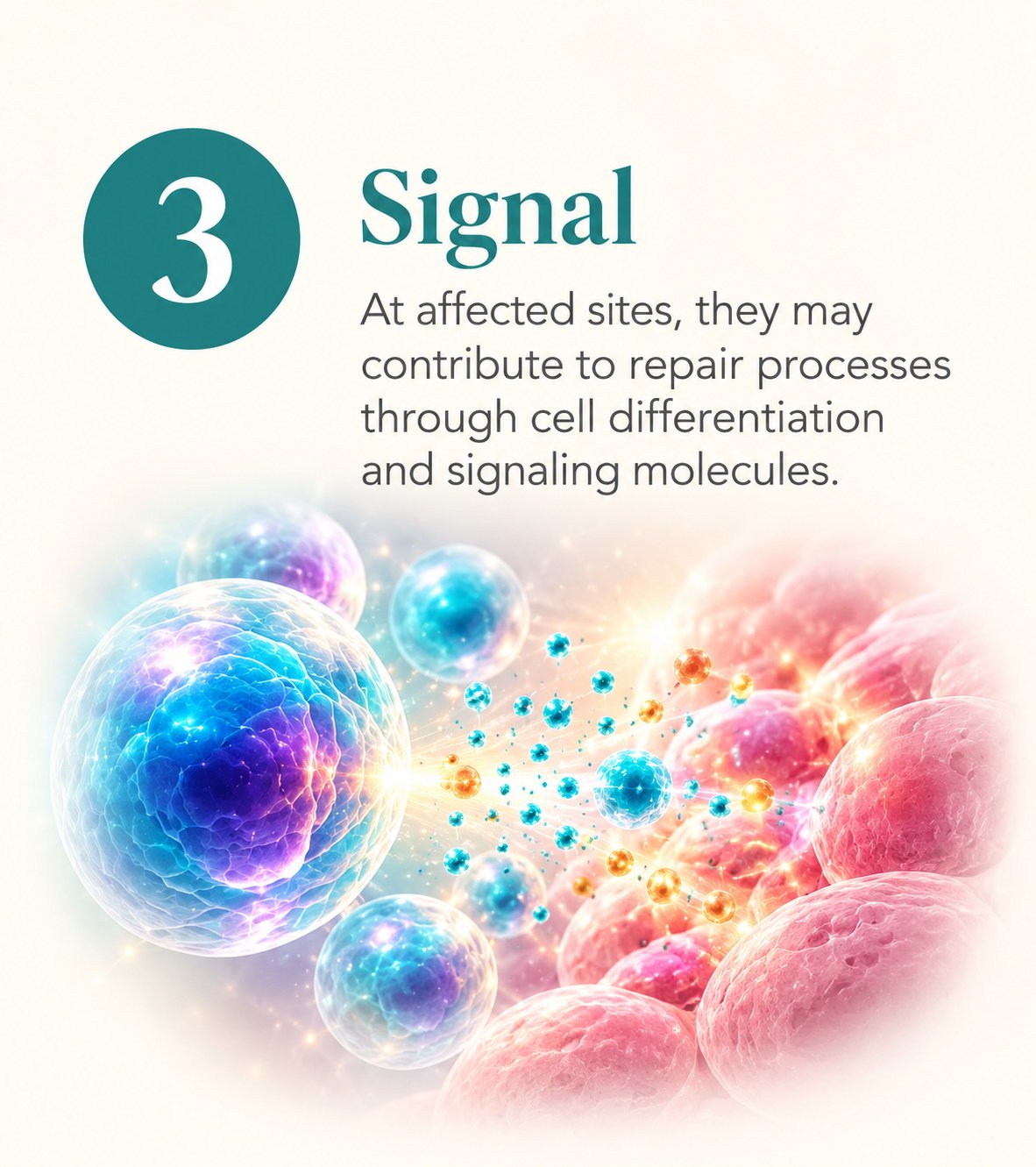
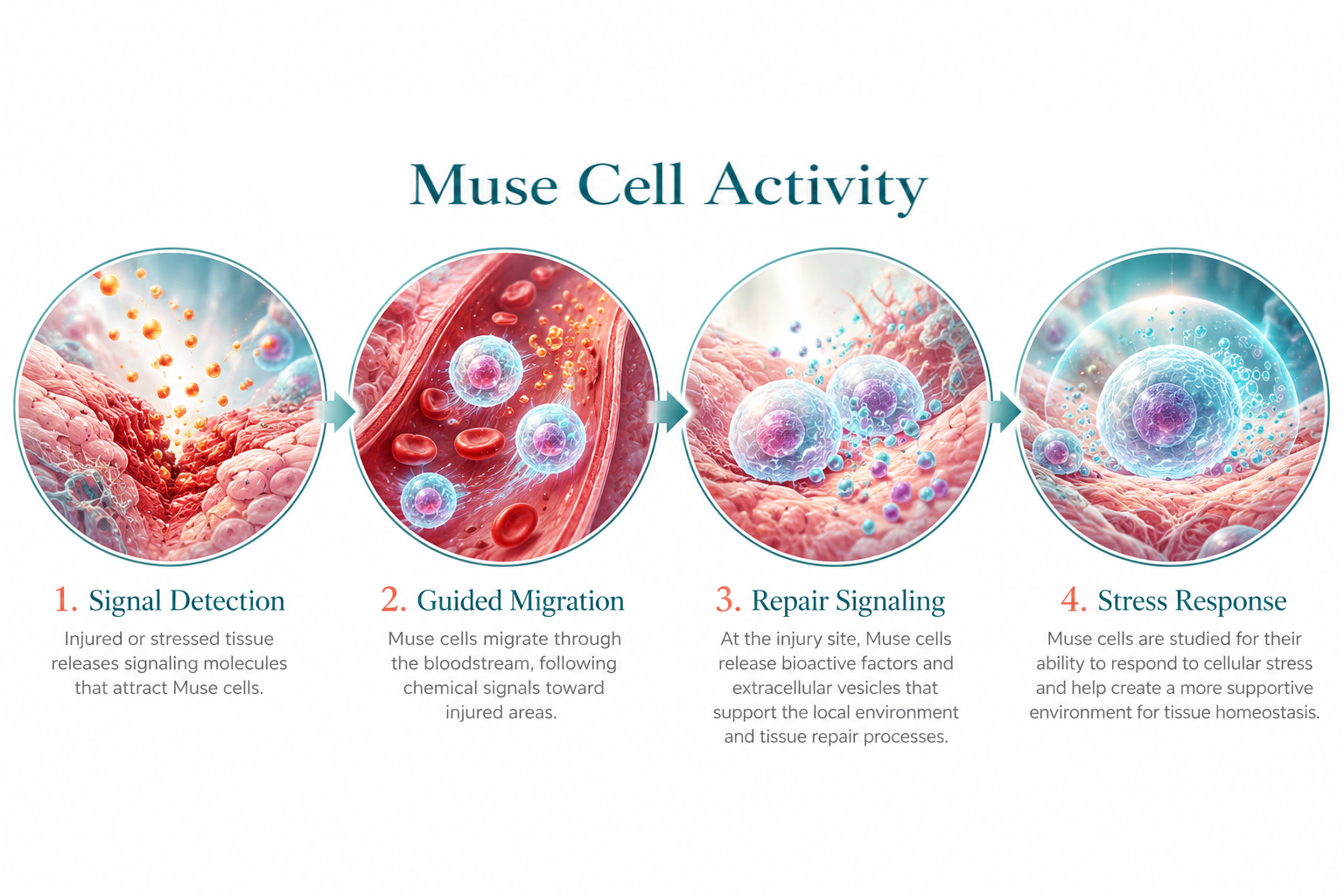
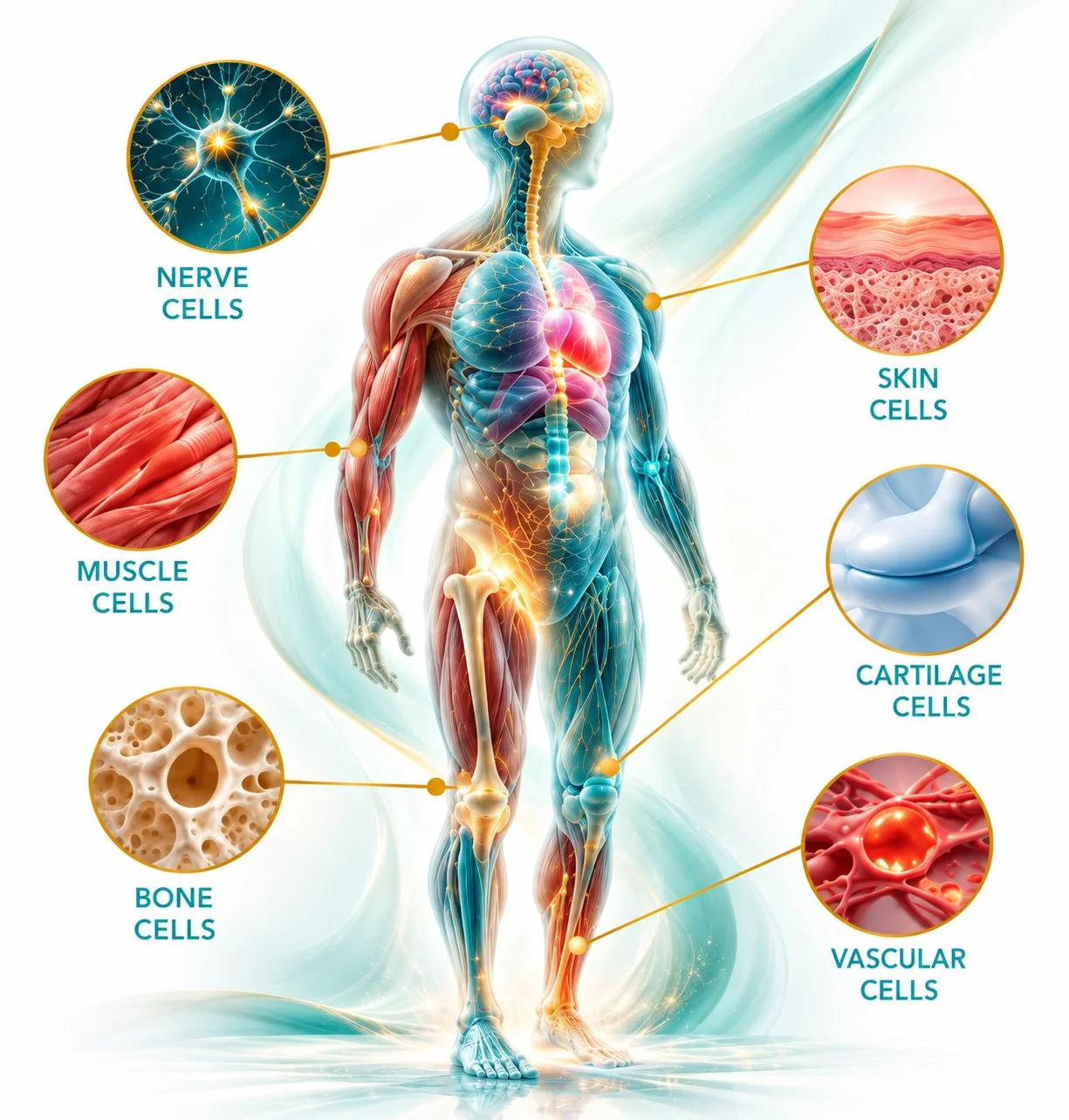
Unlike many other cell types being studied in regenerative medicine, Muse cells are known for their ability to withstand certain types of cellular stress. Research suggests they can respond to signals from damaged tissue and differentiate into cell types associated with the affected area.
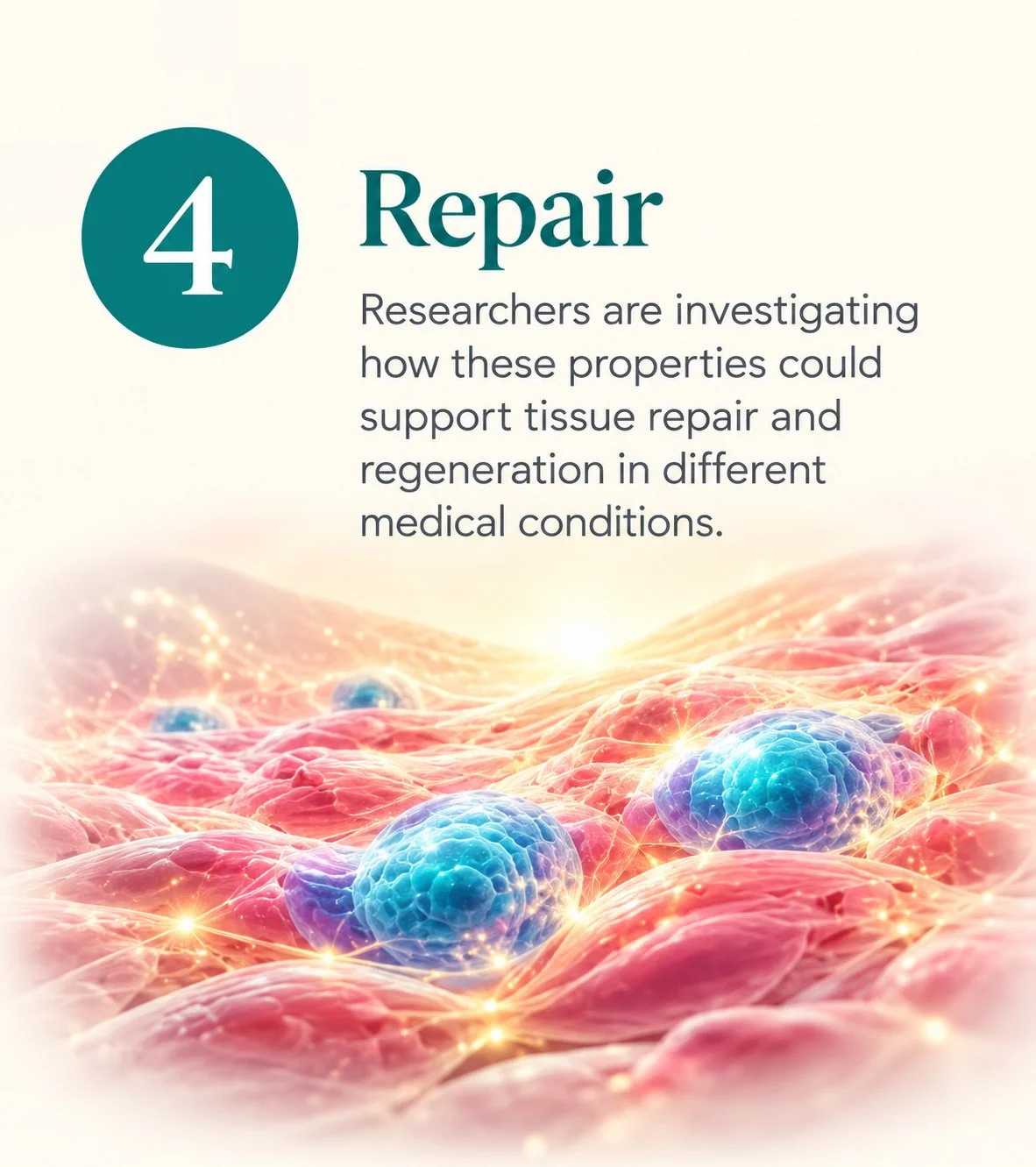
Scientists are investigating their potential role in tissue repair, cellular regeneration, and the body's natural healing processes.
Although early research is encouraging, further studies are needed to establish the safety and effectiveness of Muse cell treatments for specific medical conditions in humans.
Tissues Studied in Muse Cell Research
How Muse Cells Work