
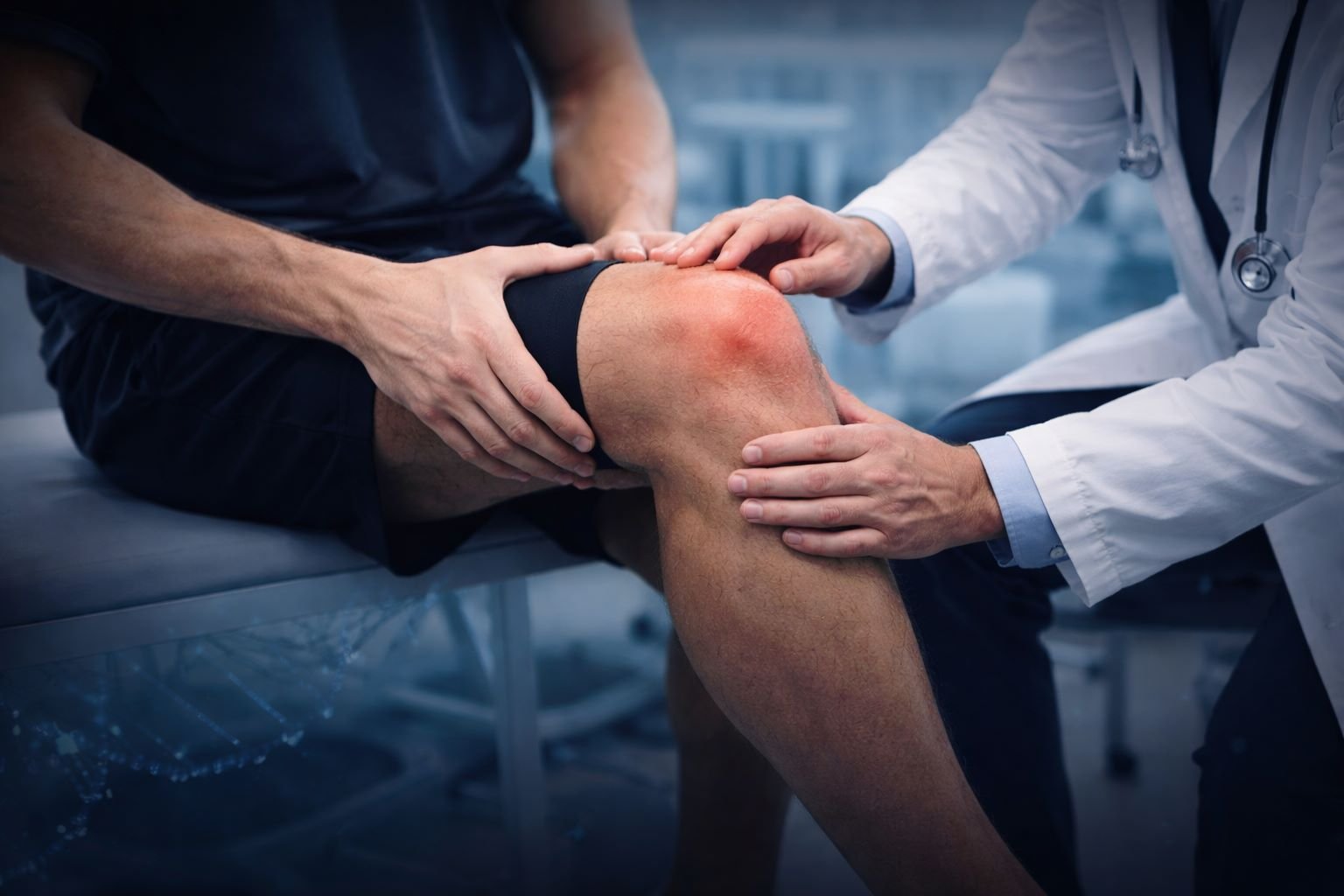
Stem Cell Therapy for Sports & Orthopedic Injuries
Advanced regenerative treatments designed to support healing of joints, ligaments, and orthopedic injuries.
How Stem Cell Therapy Supports Sports Injury Recovery
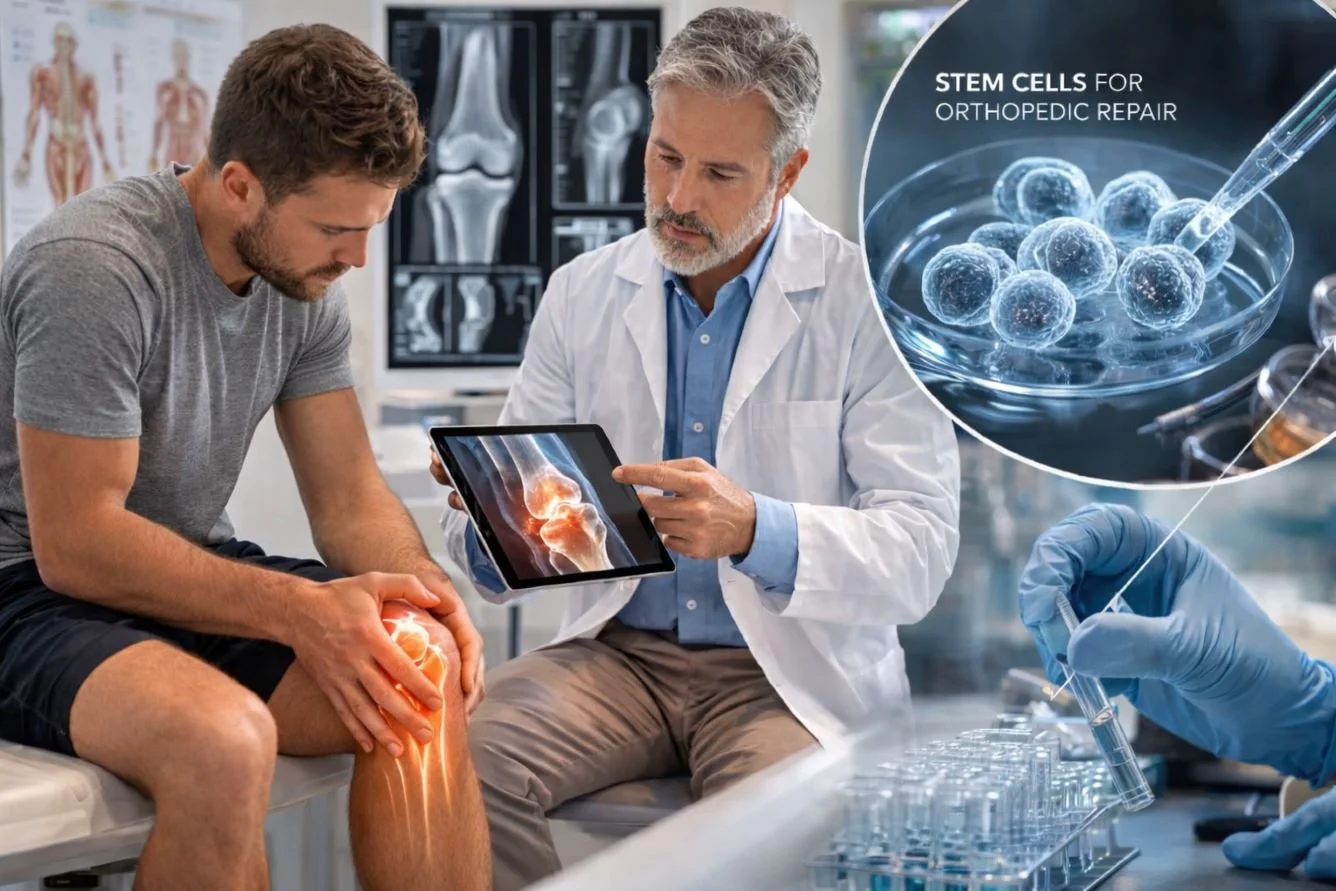
Stem cell therapy focuses on repairing damaged tissue rather than only treating symptoms.
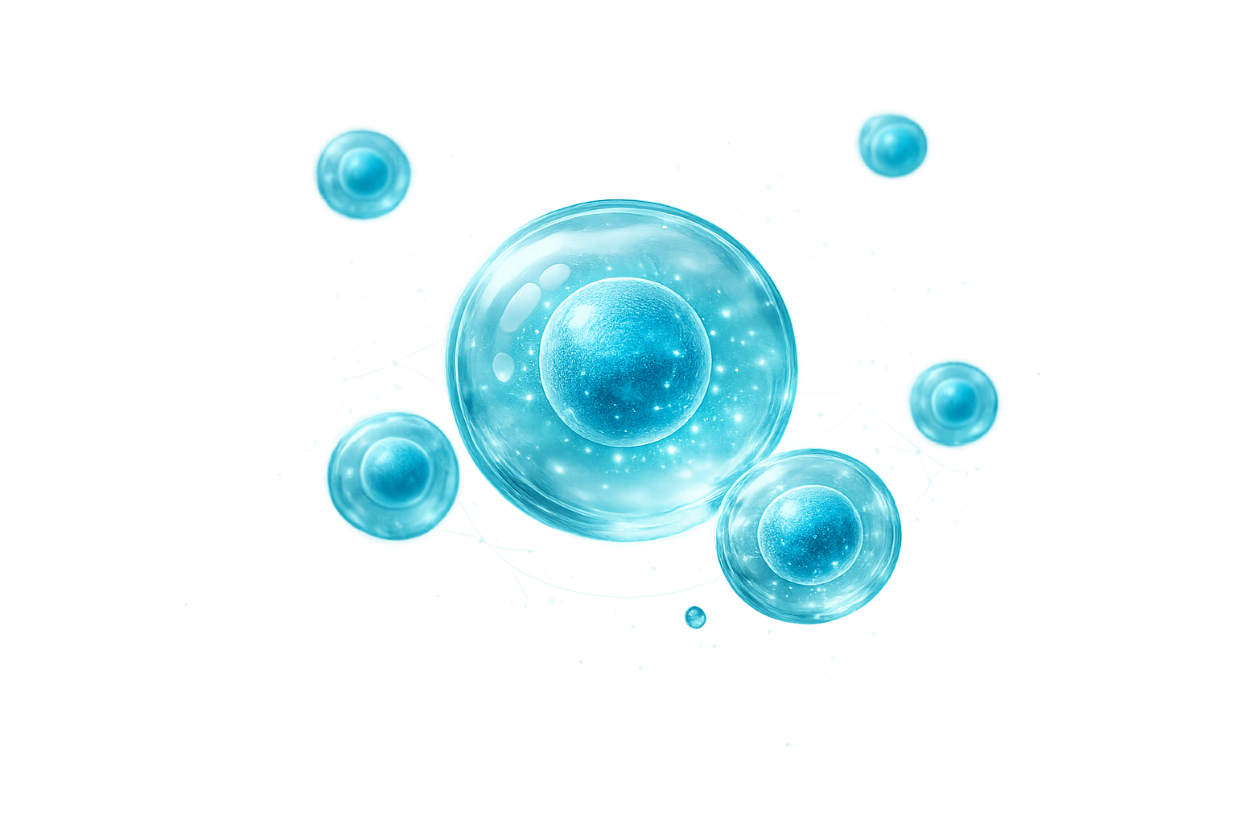
By supporting the body’s natural regenerative processes, stem cells may help reduce inflammation, strengthen joint structures, and promote healing in patients with sports injuries and orthopedic conditions.
✓ Reduce inflammation in joints and soft tissue
✓ Support regeneration of cartilage and ligaments
✓ Improve mobility and recovery after injury

Sports/Orthopedic Conditions Treated with Stem Cell Therapy:
-
Damage to the muscles and tendons that stabilize the shoulder joint, causing pain, weakness, and limited range of motion particularly with overhead movements.
-
Painful conditions affecting the tendons that join the forearm muscles to the elbow, typically caused by repetitive motion and overuse.
-
Injuries to the stabilizing ligaments and cartilage of the knee that cause pain, swelling, and instability during movement.
-
Damage to the strong fibrous cord connecting calf muscles to the heel bone, resulting in pain, stiffness, and weakened push-off strength.
-
Inflammation of the thick band of tissue that runs across the bottom of the foot, causing stabbing heel pain particularly with first steps in the morning.
-
Wear-and-tear degeneration of joint cartilage and underlying bone that causes pain, stiffness, and reduced function in weight-bearing joints.
-
Injuries involving the stretching or tearing of muscle fibers or tendons, resulting in pain, swelling, and limited function.
-
Injury to the smooth, protective tissue that covers joint surfaces, leading to roughened movement, inflammation, and eventual joint damage.
-
Inflammation, irritation, and microscopic tearing of tendons causing pain and decreased strength and function.
-
Damage to spinal structures from athletic activities, including muscle strains, disc issues, and stress fractures that limit performance and cause pain.
Insight from Our Medical Director
“Stem cell therapy can support recovery from sports injuries and orthopedic conditions by promoting tissue repair and reducing inflammation. In many patients with ligament injuries, cartilage damage, or joint degeneration, regenerative treatments can help restore mobility, improve function, and reduce long-term pain.”
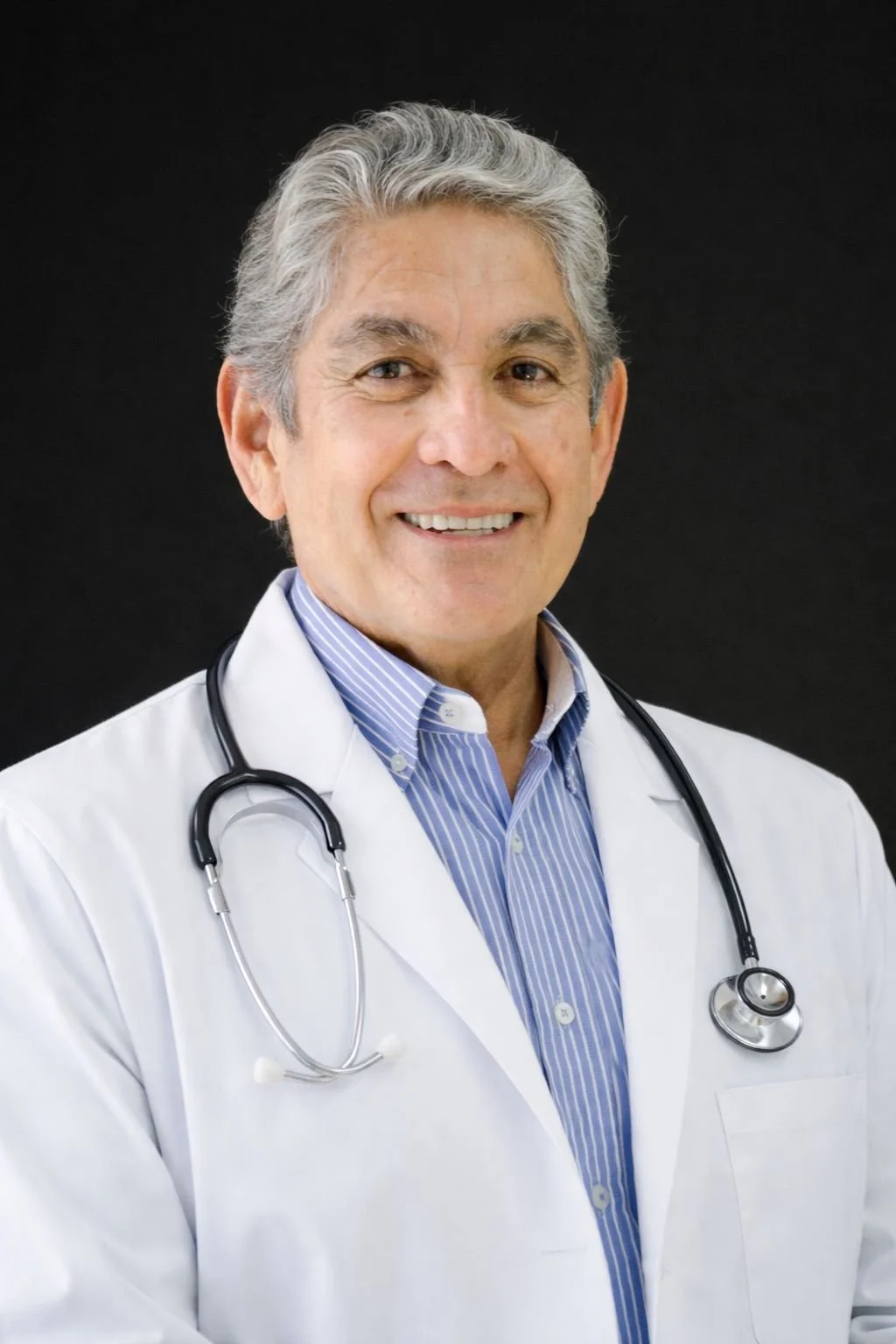
Dr. Jose Valencia
Regenerative Medicine Specialist
47+ years of clinical experience

Your Stem Cell Therapy Treatment Process
What to expect during your regenerative therapy journey.
01
Comprehensive Medical Evaluation
We review your symptoms, medical history, and imaging to identify the exact source of your pain.
02
Stem Cell Preparation
High-quality stem cells are carefully prepared for your personalized regenerative treatment.
03
Targeted Treatment
Stem cells are delivered directly to the damaged tissue to stimulate healing and reduce inflammation.

04
Regenerative Healing Phase
Once administered, stem cells help reduce inflammation and support natural tissue repair, helping restore mobility and function.

05
Follow-Up & Recovery
Our medical team monitors your progress and provides guidance to support optimal healing.

Most stem cell treatments are completed in a single visit, allowing patients to return to normal activities quickly with minimal recovery time.
Benefits of Stem Cell Therapy Over Traditional Treatment
Why regenerative medicine offers a different approach to healing.
1️⃣ Addresses the Root Cause
Regenerative therapy repairs damaged tissue rather than simply masking symptoms. By supporting the body’s natural healing processes, stem cells help restore function and reduce inflammation at the source of pain.
2️⃣ Reduces Pain Medication Dependence
Unlike conventional treatments that often rely on long-term medication, regenerative therapies aim to improve the underlying condition. Many patients are able to decrease their reliance on pain medications after treatment.

3️⃣ Minimal Downtime and Faster Recovery
Most stem cell procedures are minimally invasive and completed in a single visit. Patients can typically return to normal activities quickly with little to no extended recovery period.
4️⃣ Long-Lasting Regenerative Results
By promoting tissue repair and cellular regeneration, stem cell therapy may provide longer-lasting improvement compared to treatments that only offer temporary relief.
Frequently Asked Questions
-
Your recovery protocol will be personalized, but most patients require minimal supportive equipment. The focus is on progressive movement in San Miguel's therapeutic environment rather than restriction.
-
Yes. By improving tissue quality and restoring optimal function, stem cell therapy can strengthen vulnerable areas, potentially reducing future injury risk.
-
Our comprehensive assessment evaluates tissue damage, functional limitations, previous treatments, and recovery goals. Many conditions traditionally requiring surgery respond well to our stem cell protocols.
-
Most patients can resume light activities within days. A personalized recovery plan will guide your return to full activity, typically within 4-8 weeks depending on your specific condition.
-
Both acute and chronic injuries respond well to treatment. Longstanding injuries may require additional sessions, but many patients with years-old injuries experience significant improvement.
-
Stem cells offer more comprehensive healing potential than PRP alone, as they can differentiate into needed tissue types and provide more growth factors for regeneration. We sometimes combine both for enhanced results.
